One Day Want to Be Able to Say I Made It
As a designer and embroidery product reviewer, I’ve seen my fair share of digital files. But when I came across One Day Want to Be Able to Say I Made It, I knew it had the potential to be more than just another SVG cut file. This design has a distinct personality that feels both nostalgic and motivational, making it a strong candidate for a variety of embroidery projects.
The First Impression: A Design with Personality
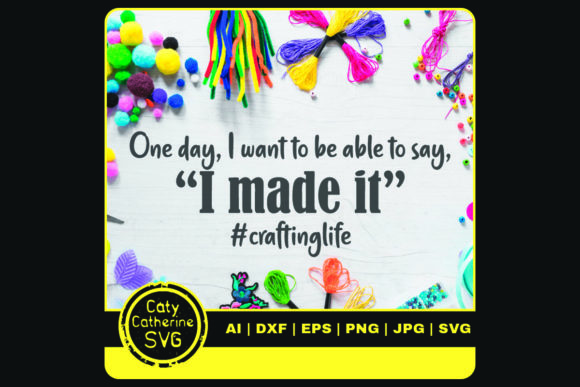
One Day Want to Be Able to Say I Made It immediately caught my eye with its clean, bold text and subtle graphic elements. The font choice is modern yet approachable, and the layout feels balanced without being too rigid. It’s the kind of design that could work on a range of items—from a custom tote bag to a baby onesie or even a personalized apron.
The theme is straightforward but meaningful. It speaks to the journey of creating something from scratch, which resonates with crafters, small business owners, and anyone who values handmade products. The visual personality is friendly and encouraging, making it ideal for gifts, personal use, or as part of a brand’s aesthetic.
Real-Life Embroidery Scenarios
I tested One Day Want to Be Able to Say I Made It on several fabrics and project types to see how it performed in real-life situations. On a cotton tote bag, it looked great with a medium stitch density and proper stabilizer. The design didn’t require excessive detailing, so it worked well for a quick, professional-looking finish.
On a sweatshirt, the design held up well, especially when using a satin stitch for the text. The contrast between the thread color and the fabric was important—light-colored threads on dark backgrounds made the design pop, while darker threads on lighter fabrics provided a more subtle effect.
For baby items, I found that the design worked best when simplified slightly. Tiny lettering can be tricky on thin or stretchy fabrics, so adjusting the size or using a running stitch for the text helped maintain clarity without overcomplicating the embroidery.
Where to Use It Carefully
While One Day Want to Be Able to Say I Made It is versatile, there are some scenarios where caution is needed. Small hoop sizes may not accommodate the full design, especially if it’s meant for larger items like pillow covers or blankets. In such cases, breaking the design into sections might be necessary.
Textured or stretchy fabrics can also affect the final look. If you’re planning to embroider on a cap or a curved surface, make sure the design is compatible with those shapes. Thin or dark fabrics may require additional stabilizer to prevent puckering or distortion.
Dense stitch areas or detailed corners can cause the design to look cluttered, so it’s worth testing on scrap fabric before committing to a finished product. If you're using this as an applique design, ensure the edges are clean and the stitching doesn’t overwhelm the fabric.
Impact on Visual Appeal and Customer Perception
One of the strengths of One Day Want to Be Able to Say I Made It is its ability to elevate the visual appeal of any project. Whether it's a custom t-shirt, a personalized gift, or a boutique product, the design adds a touch of personality and intentionality.
Stitching clarity is key here. If the design is too small or the stitch density is off, it can look messy or unprofessional. But when done right, it becomes a standout feature that customers will appreciate. For small shop products or Etsy listings, this design can help build trust and reinforce a brand’s identity.
It also plays well in gift-giving scenarios. A custom embroidered item with this quote can feel deeply personal, making it a thoughtful present for someone who’s working hard to achieve their goals.
Practical Designer Notes
Before using One Day Want to Be Able to Say I Made It in a commercial project, I recommend doing a few quick tests. Start by stitching it on scrap fabric to check the stitch density and overall appearance. Make sure the thread colors contrast well with the fabric you plan to use.
Also, confirm the hoop size required for your machine. If the design is large, you may need to adjust the placement or split it into sections. Testing it in black and white mockups can help you visualize how it will look on different backgrounds.
If you're planning to sell finished products or digital files, double-check the licensing terms. Even though the design seems straightforward, it’s always better to be safe than sorry when it comes to commercial use.
Final Thoughts
One Day Want to Be Able to Say I Made It is a solid machine embroidery design that offers both style and substance. It’s well-suited for a variety of projects, from custom apparel to personalized gifts, and it carries a message that many crafters and entrepreneurs can relate to.
Whether you're an Etsy seller, a small shop owner, or a hobbyist looking to add more depth to your handmade products, this design has the potential to enhance your offerings. Just remember to test it thoroughly, consider the fabric and stitch requirements, and make sure it aligns with your brand’s vision.
Overall, One Day Want to Be Able to Say I Made It is a thoughtful addition to any embroidery project or digital design library. With the right approach, it can turn a simple piece of fabric into a meaningful, high-quality finished product.