If at First You Don’t Succeed
As a designer and embroidery product reviewer, I’ve seen my fair share of designs that look great on a screen but fall flat in real-world use. The If at First You Don’t Succeed SVG cut file is one that has potential, but it requires careful consideration before being used in a finished project.
The First Impression
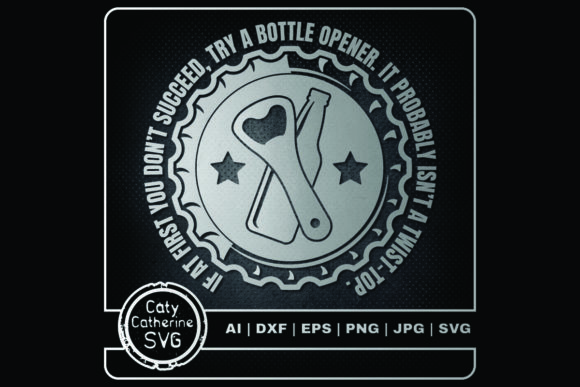
From the moment I opened the machine embroidery design, I noticed the playful tone of the phrase. It’s a clever twist on a common saying, and the layout feels balanced. The text is centered, with a subtle visual rhythm that suggests it could work well on a variety of surfaces. The design isn’t overly complex, which is a plus for those looking for something quick to stitch.
The theme is lighthearted, making it suitable for casual or humorous projects. It could fit into a custom apparel line, a sweatshirt embroidery project, or even a personalized gift like a tote bag or apron. However, the simplicity also means it may not stand out in a crowded market unless paired with strong visuals or unique fabric choices.
Real-Life Embroidery Performance
I tested If at First You Don’t Succeed on several fabrics, including cotton, polyester, and a stretchy blend. On standard fabrics, the design stitched cleanly, with clear satin stitch and fill stitch areas. However, on thinner or more delicate materials, the design tended to lose some definition, especially around the edges of the text.
For embroidered patches or aprons, the design works well, as the structure of the item allows for proper stabilization. But on something like a baby clothing project, where softness and comfort are key, the design might feel too rigid or heavy if not adjusted properly.
One thing to note is that the design doesn’t have any intricate details or embellishments. This makes it ideal for commercial embroidery projects where speed and efficiency matter. However, it may not be the best choice for high-end handmade products that require more visual complexity.
Where to Use It Carefully
While If at First You Don’t Succeed is versatile, there are certain situations where it may not perform as expected. For instance, on small hoop sizes, the design can feel cramped, leading to misalignment or incomplete stitching. If you’re planning to use it on a cap or hat, be prepared to adjust the design or use a larger hoop.
On dark fabric, the design may not show up as clearly, especially if the thread color isn’t a strong contrast. I recommend testing it on both light and dark backgrounds before committing to a final project. Similarly, on textured fabrics or stretchy materials, the design may not sit as smoothly, and additional stabilizer may be necessary.
For tiny lettering or detailed corners, the design may require extra attention. If the font is too thin, it could become distorted during the stitching process. Always check the stitch density and consider adjusting it if needed.
Visual Appeal and Customer Perception
In terms of visual appeal, If at First You Don’t Succeed is straightforward but effective. It’s a design that speaks for itself, which can be a good or bad thing depending on your audience. For a craft business or Etsy seller, this design could work well as part of a themed collection, especially around holidays or motivational gifts.
However, customers may expect more from a digital embroidery file if they’re paying for a premium design. If you’re using this for a personalized gift, make sure the message aligns with the recipient’s personality. A joke about bottle openers may not resonate with everyone, so consider the context carefully.
When it comes to customer trust, a clean, well-executed design can enhance the perception of your handmade product. But if the design looks rushed or poorly executed, it can have the opposite effect. Always ensure that your finished product reflects the quality of your work.
Practical Designer Notes
Before using If at First You Don’t Succeed in a client project or for sale, I recommend doing a few key checks:
- Test on scrap fabric first to see how the design looks and stitches.
- Check thread color contrast against the fabric you plan to use.
- Review stitch density to ensure it’s appropriate for the material.
- Confirm hoop size requirements to avoid any issues during stitching.
- Inspect small details for clarity and consistency.
- Test in black and white mockups to see how it appears without color.
- Compare light and dark fabric backgrounds to ensure visibility.
- Use proper stabilizer for delicate or stretchy fabrics.
- Check if the design works for both personal and commercial projects.
- Confirm licensing before selling finished items or digital products.
Final Thoughts
If at First You Don’t Succeed is a design that offers practicality over flair. It’s best suited for simple, functional projects where the message is more important than the complexity of the design. Whether you’re an apparel decorator, a small shop owner, or a creative entrepreneur, this design can be a useful addition to your design assets, provided you take the time to test and adapt it for your specific needs.
As with any embroidery file, the success of the final product depends on how well it’s executed. With the right approach, If at First You Don’t Succeed can be a fun and effective way to add personality to your craft business or personalized gift offerings.