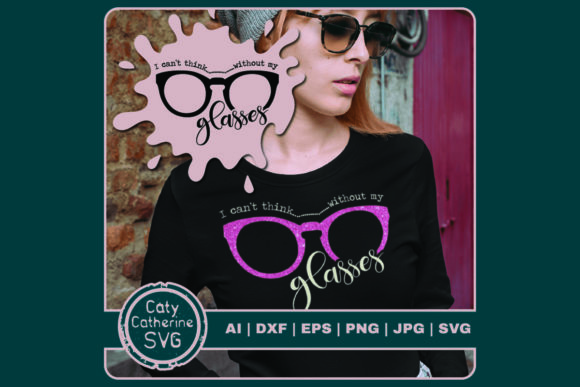
I Can't Think Without My Glasses
As a designer who’s worked with countless embroidery files, I always start by evaluating a design’s visual impact, practicality, and versatility. I Can't Think Without My Glasses is a fun, relatable quote that has clear potential in the right context. But like any machine embroidery design, it needs to be considered carefully before being used in real projects.
The First Impression
From the moment I saw I Can't Think Without My Glasses, it struck me as a design that leans into humor and personality. The phrase itself is catchy, and the layout feels balanced—ideal for a variety of applications. The font choice suggests a casual, friendly tone, which makes it perfect for items like tote bags, sweatshirts, or baby onesies. It doesn’t feel overly complicated, but it still has enough detail to stand out without being overwhelming.
The design’s shape and theme make it easy to imagine on different surfaces. Whether it’s a simple embroidered patch or a more elaborate sweatshirt design, the layout works well. It’s not too dense, so it should translate smoothly to most fabrics and hoop sizes, provided you take the right precautions.
Real-World Embroidery Use Cases
One of the first scenarios I thought of was using I Can't Think Without My Glasses on a custom tote bag. It’s a popular item for small business owners and Etsy sellers, and this design would add a unique touch. The phrase is short enough to fit comfortably on a 4x4 hoop, making it accessible for most home embroidery machines.
It also works well as an applique design or a satin stitch-heavy project. If you’re looking to create a personalized gift, such as a baby onesie or a holiday ornament, this could be a great fit. The design isn’t too intricate, so it won’t require excessive time or thread, which is a big plus for busy makers.
For commercial embroidery projects, I Can't Think Without My Glasses could be part of a larger collection. It’s versatile enough to work on caps, aprons, and even pillow covers. The key is to ensure that the design is scaled properly and that the stitch density is appropriate for the fabric type.
Where to Be Careful
While I Can't Think Without My Glasses is generally straightforward, there are a few areas where caution is needed. For example, if you're working with small hoop sizes, you might need to adjust the design or split it into sections. It’s also important to test it on textured or stretchy fabrics, as the design may not sit as neatly as expected.
On dark fabrics, the design might not show up as clearly, depending on the thread color. If you're planning to use it on a layered garment or a curved surface like a cap, make sure the design is adjusted for those shapes. Tiny lettering or detailed corners could become distorted during stitching, so it’s worth double-checking the file before starting.
Dense stitch areas might cause puckering, especially on thin or delicate materials. Always use the right stabilizer and test on scrap fabric first. This helps avoid issues that could compromise the finished product.
Visual Appeal and Customer Reaction
When it comes to visual appeal, I Can't Think Without My Glasses has a good chance of standing out. The humor element makes it memorable, which can help boost buyer engagement. Customers often respond positively to designs that reflect their personalities or shared experiences.
As a handmade product or personalized gift, this design adds value by offering something unique. It can also enhance brand consistency if it fits within your overall aesthetic. For small shop products or Etsy listings, it’s a strong contender that can attract attention and drive sales.
However, it’s important to consider how the design will look when stitched. A poorly executed embroidery project can damage the reputation of a craft business. That’s why testing and attention to detail are essential steps before finalizing any project.
Practical Designer Notes
Before jumping into any embroidery project, I always recommend testing the design on scrap fabric. This allows you to see how the stitches interact with the material and identify any issues early on. Checking thread color contrast is also crucial—especially if you’re using light or dark backgrounds.
Reviewing stitch density ensures that the design won’t be too tight or too loose. Confirming the correct hoop size is another step that shouldn’t be overlooked. If the design is too large for your machine, it might not stitch correctly, leading to wasted time and materials.
Inspecting small details, like lettering or decorative elements, helps ensure the final product looks polished. Testing the design in black and white mockups can also reveal how it will appear on different fabrics. Comparing it on both light and dark backgrounds gives a better sense of its versatility.
Using the proper stabilizer is essential for maintaining the integrity of the design, especially on stretchy or textured fabrics. Always check whether the design is suitable for both personal and commercial use, and confirm licensing terms before selling finished items or digital products.
Final Thoughts
I Can't Think Without My Glasses is a solid design with clear potential in the right applications. It’s fun, functional, and adaptable, making it a good choice for a variety of embroidery projects. Whether you're creating custom apparel, personalized gifts, or small shop merchandise, this design can add a unique touch to your work.
Like any machine embroidery design, it requires careful consideration to ensure it meets the needs of your project and your customers. With the right approach, I Can't Think Without My Glasses can become a valuable addition to your design assets and a hit among your clients.